Areas of defence
In short
Unlike offences against the person or against property, here there is often no specific victim. What is protected is everyone’s safety or the proper functioning of public bodies. The Criminal Code spreads them across several titles: collective safety (Title XVII), public administration (Title XIX) and public order (Title XXII). We have also included cybercrime and corporate criminal liability here, as they follow a similar logic.
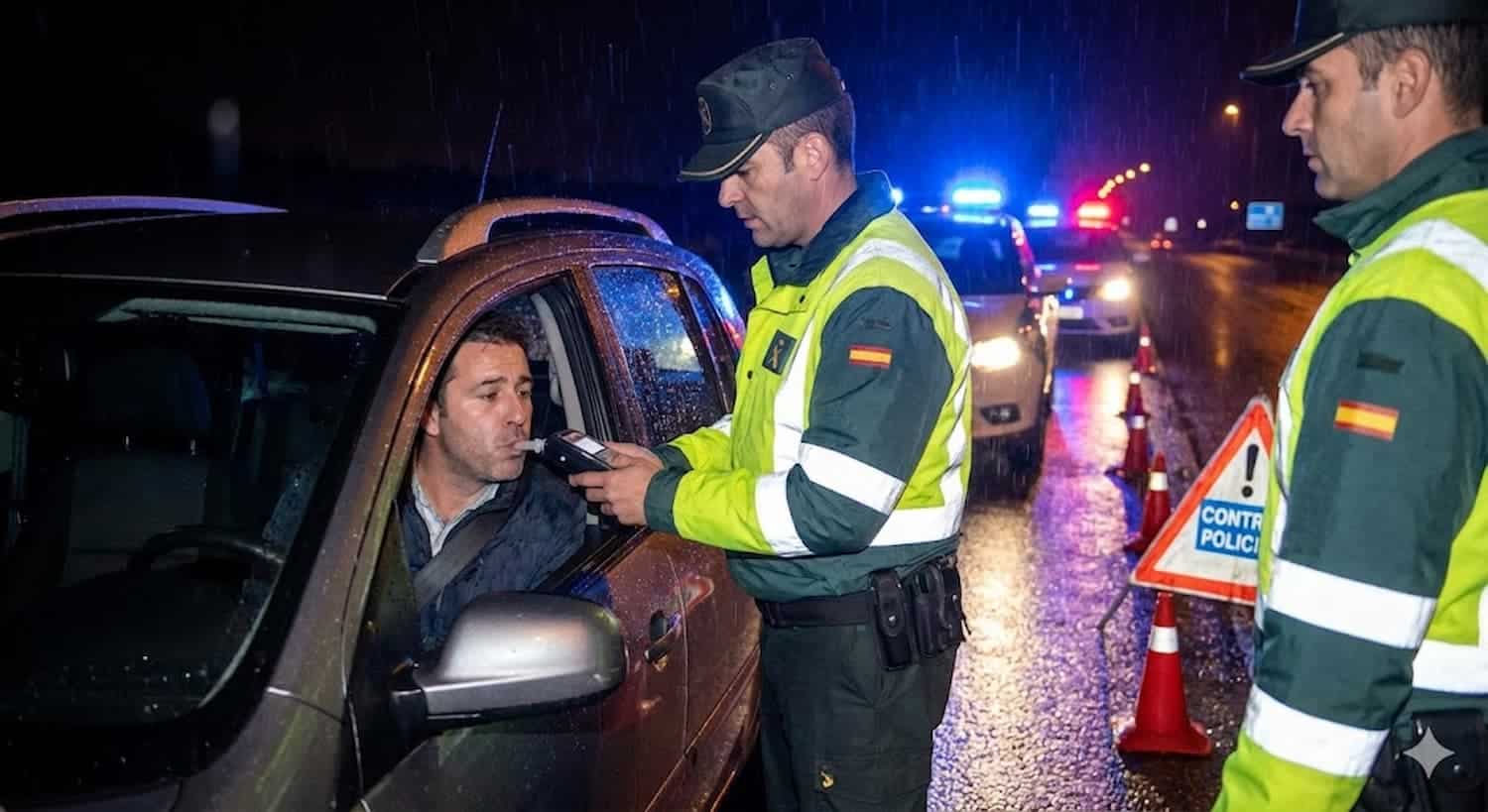
In driving offences it is essential to review the police report: how the breath test was carried out, whether the interval between measurements was respected, whether you were informed of your rights. In drug cases, we examine the lawfulness of the search, the chain of custody and whether the quantity really indicates trafficking or personal use.
If you have been arrested after a roadside check or police intervention, you can call us 24 hours a day for assistance if you are arrested. Many of these cases end in a speedy trial, where the decision whether or not to accept a plea agreement (conformidad) is made within hours and should be made with proper advice.
It is always a criminal offence to drive with more than 0.60 mg/l of alcohol in exhaled air or more than 1.2 g/l in blood (Article 379.2 of the Criminal Code). With lower readings it may still be an offence if it is shown that you were driving under the influence of alcohol, for example from your symptoms or the way you were driving.
Yes. Refusing alcohol or drug tests when an officer asks you to take them is a separate offence under Article 383 of the Criminal Code, punishable by six months to one year’s imprisonment and disqualification from driving for one to four years. It is punishable even if it is never proved that you had been drinking.
Assault on authority requires an attack, assault or serious resistance with violence or serious intimidation against the authorities or their officers (Article 550). If you merely resist or disobey without that violence, it is the offence under Article 556, which carries lighter penalties. The line between the two is a matter of evidence.
Possession for personal use is not a criminal offence, although using or possessing drugs in public is an administrative offence. It is a crime if the drugs are held for trafficking (Article 368). The quantity, how it is divided up, any cash found and other indications decide which applies.