Victims of crime

In short
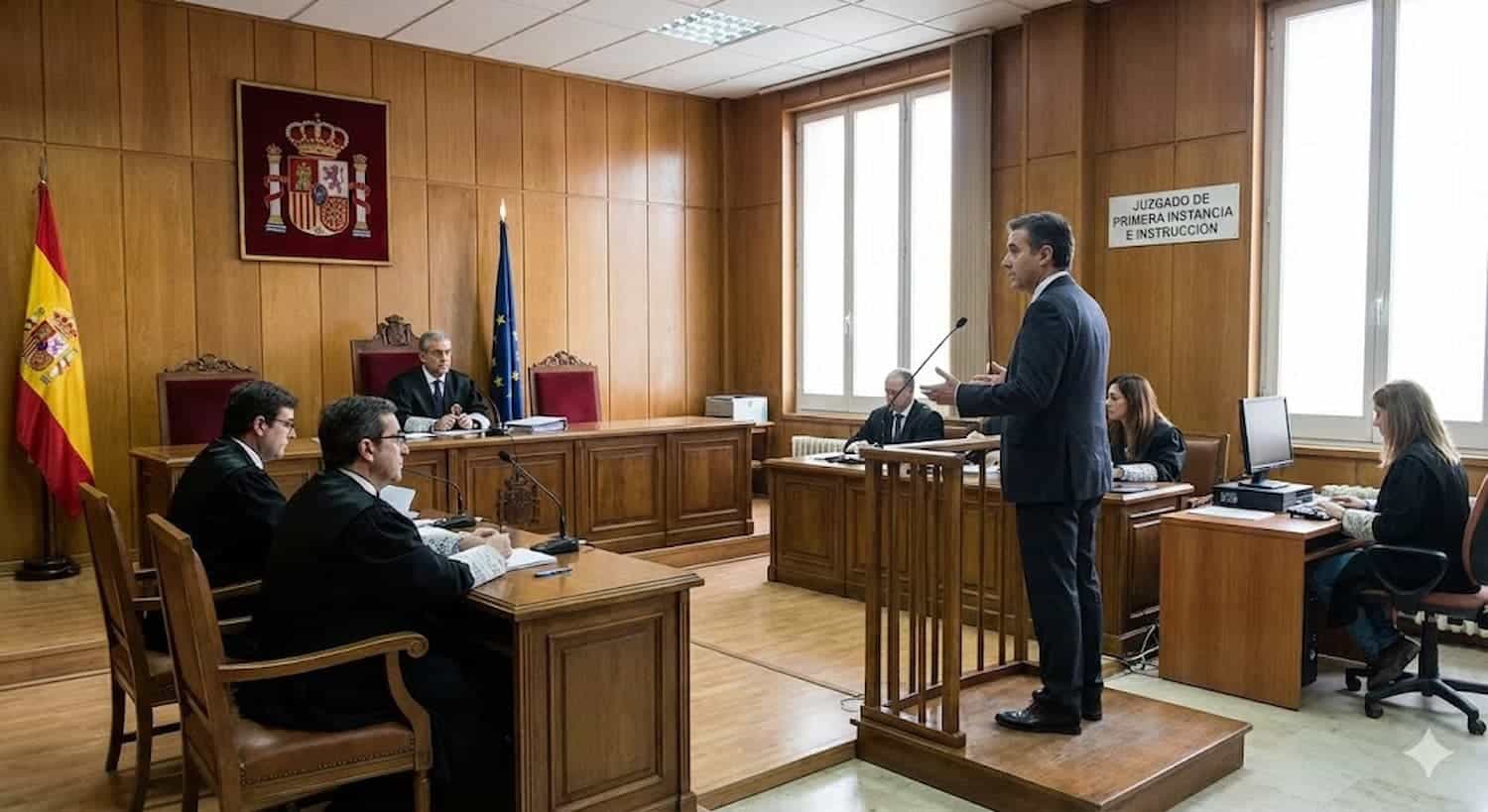
When a crime is committed, the Public Prosecutor’s Office (Ministerio Fiscal) brings charges in the public interest. But the victim does not have to simply wait: they can take part in the proceedings as a private prosecutor (acusación particular), with their own lawyer and court representative, and act as a full party.
This means you can see everything that happens in the case, propose evidence and witnesses, take part in the questioning, file your own indictment, request precautionary measures and appeal decisions that harm you, such as a dismissal or an acquittal.
It should be distinguished from other roles. A popular prosecution (acusación popular) can be brought by any Spanish citizen even if they have not been harmed by the offence (Articles 101 and 270 of the Criminal Procedure Act, Ley de Enjuiciamiento Criminal). A civil claimant (actor civil), by contrast, takes part only to claim compensation, without seeking a penalty. Private prosecution combines both: it seeks the conviction of the person responsible and redress for the harm you have suffered.
We act as private prosecutors in offences such as fraud, bodily harm and assault, misappropriation, threats or the unlawful occupation of homes. If you are a woman who is a victim of gender-based or sexual violence, see our specialist website abogadaviolenciadegenero.com.
There are two ways of bringing the facts to the attention of the justice system:
A private party bringing a private criminal action generally has to provide a bond, but the person harmed by the offence is exempt, as are their heirs or legal representatives (Articles 280 and 281). For foreign claimants, that exemption depends on international treaties or reciprocity.
Choosing between the two depends on the case. In economic or complex offences, a well-documented private criminal action helps to steer the investigation from day one. In other cases it is enough to report the offence and join the proceedings later.
If a case is already open, the injured party can join as a party before the stage at which the charges are formally set out (trámite de calificación), without the proceedings going back to an earlier stage (Article 110 of the Criminal Procedure Act). In the abbreviated procedure, the court must inform you of your rights and you can join without filing a private criminal action (Article 761.2).
If you join once the deadline for filing an indictment has passed, you can still bring criminal proceedings until the trial begins, but only by adhering to the charges brought by the public prosecutor or another prosecuting party. That is why it is best not to wait.
In addition, offences become time-barred: as a general rule, after five years for those carrying a maximum sentence of up to five years’ imprisonment, and after one year for minor offences and for insult and slander (Article 131 of the Criminal Code). We explain this in the article on limitation periods for crimes.
Anyone who is criminally liable for an offence is also civilly liable if the act has caused damage or loss (Article 116 of the Criminal Code). Civil liability includes (Article 110):
If you only bring the criminal action, you are deemed to be claiming civil liability as well, unless you expressly waive it or reserve it for subsequent civil proceedings (Article 112 of the Criminal Procedure Act). Even if you do not join the proceedings, you do not lose your right to any compensation that may be awarded in the judgment, unless you clearly waive it (Article 110). But without your own prosecution it is harder to quantify the harm properly and defend that figure.
During the investigation we also request measures to secure payment, such as freezing assets or requiring the suspect to provide a bond.
The Victims of Crime Statute (Estatuto de la víctima del delito, Law 4/2015) grants every victim the right to bring criminal and civil proceedings and to provide investigators with the evidence and information they consider relevant (Article 11). Some important safeguards:
In speedy trials the timescales are very short; see our page on speedy trials.
Every case is different; after reviewing yours we give you a personalised written quote.
No. You can report a crime at a police station, at a Guardia Civil post or at the court without a lawyer. But to join the proceedings as a private prosecutor, file a private criminal action, propose evidence or appeal, you need a lawyer and a court representative. Having a lawyer from the start helps ensure the complaint sets out the facts and evidence properly.
You can join before the stage at which the charges are formally set out without the proceedings going back to an earlier stage (Article 110 of the Criminal Procedure Act). If you join later, you can only adhere to the charges brought by the public prosecutor or another party until the trial begins. The sooner you join, the more you can influence the investigation.
A complaint reports the facts to the police or the court and does not require a lawyer, but it does not make you a party to the proceedings. A private criminal action is a formal written application, filed through a court representative and a lawyer, which makes you a party from the outset and in which you can request specific investigative steps and measures, such as freezing the assets of the person responsible (Article 277).
Yes. The victim can appeal the dismissal order even if they have not joined the proceedings (Article 12 of the Victims of Crime Statute). In the abbreviated procedure they have twenty days from notification (Article 779.1 of the Criminal Procedure Act). We review the order and assess whether there are grounds for an appeal.
Civil liability arising from the offence includes restitution of the property, repair of the damage and compensation for material and non-pecuniary losses (Article 110 of the Criminal Code). This includes, for example, medical expenses, days off work, lasting injuries, financial losses and non-pecuniary damage. The amount depends on each case and on how it is proved.
Do you need help now?
On this page
Related services